
Tu carrito
No hay más productos en tu carrito
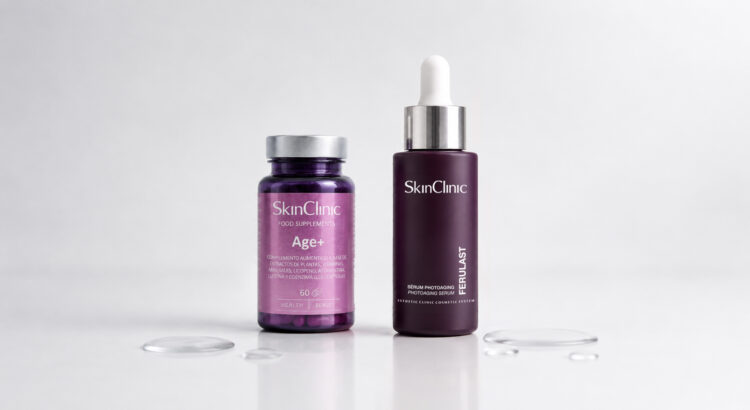
Free radicals in the skin: what are they, why do they accelerate skin ageing and how can you protect your skin?
This post is also available in:
You’ve probably heard of free radicals. In recent years, they have become one of the most frequently discussed topics when talking about skin ageing. But what exactly are they, and why can they have such a significant impact on your skin?
Although they are often associated solely with cellular damage, free radicals are actually a natural by-product of the body’s normal metabolic processes. The problem begins when their production exceeds the skin’s natural antioxidant defence system, leading to a condition known as oxidative stress.
Even though we cannot see them, free radicals are constantly acting on the skin. Daily exposure to UV radiation, environmental pollution and even everyday stress can promote their accumulation, accelerating premature skin ageing long before the first wrinkles appear.
The good news? The skin has its own natural defence mechanisms, and today we know that a routine combining antioxidants with daily sun protection can significantly reduce oxidative damage.
In this article, we’ll explain what free radicals are, how they affect the skin, and what you can do to protect it.
Contents
What are free radicals?
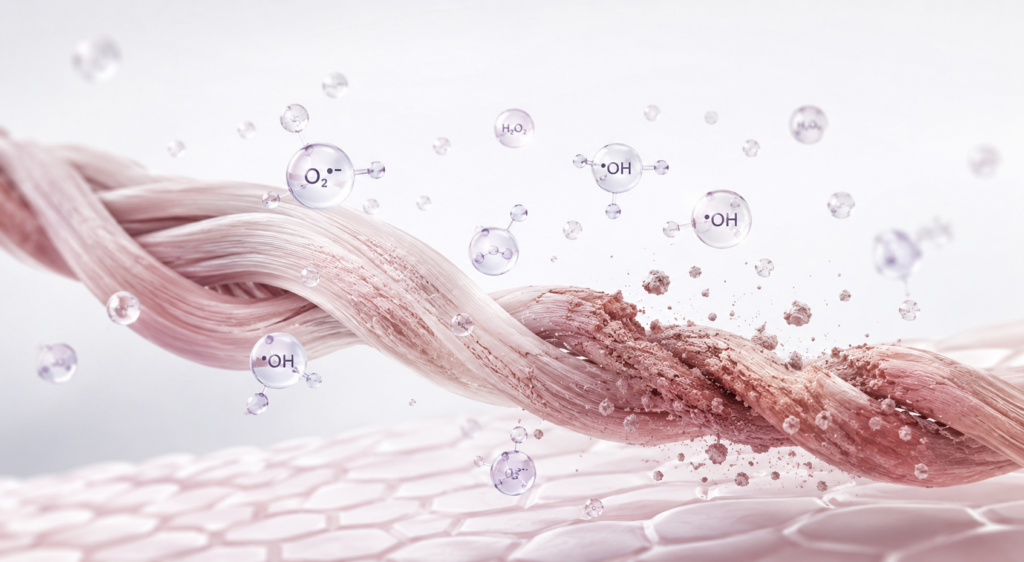
Free radicals are unstable molecules that, in an attempt to regain stability, steal electrons from other molecules. This process triggers a chain reaction known as oxidation, which can progressively damage cells and tissues.
The production of free radicals is a natural part of the body’s normal metabolism. However, when they are generated in excess and the skin’s antioxidant defenses are unable to neutralize them, oxidative stress occurs. This imbalance is one of the main factors responsible for premature skin aging.
Why are they produced?
In addition to the body’s natural metabolic processes, a number of external factors can significantly increase the production of free radicals. The most important include:
- Ultraviolet (UV) radiation
- Environmental pollution
- Tobacco smoke
- Chronic stress
- Lack of sleep
- An unbalanced diet
Among all of these, sun exposure is the leading cause of oxidative damage in the skin. Over time, cumulative UV exposure without adequate sun protection accelerates photoaging, promoting the appearance of wrinkles, loss of firmness, dark spots, and a dull complexion.
What is oxidative stress?
The skin has its own natural antioxidant defense system, which neutralizes a large proportion of the free radicals generated every day. However, when their production increases beyond the skin’s capacity to control them, these defenses become overwhelmed and oxidative stress develops.
At this point, cellular damage begins to occur. Although initially invisible, this damage gradually accumulates and eventually becomes noticeable through visible signs of skin aging.
How does oxidative stress affect the skin?
Although its effects are not immediately visible, oxidative stress progressively weakens the structures responsible for keeping the skin firm, smooth, and healthy.
One of its main consequences is the activation of matrix metalloproteinases (MMPs), enzymes that break down collagen and elastin—two essential proteins that maintain the skin’s firmness and elasticity. As a result, the skin may develop:
- Fine lines and wrinkles
- Loss of firmness and elasticity
- Dull-looking skin
- More noticeable dark spots
- Dehydration
- Increased sensitivity
How can oxidative damage be prevented?
Although it is impossible to stop the body from producing free radicals, it is possible to reduce their excess and strengthen the skin’s natural defenses.
To help protect the skin:
- Apply broad-spectrum sunscreen every day.
- Cleanse the skin to remove pollution particles and impurities.
- Use topical antioxidants regularly.
- Follow a balanced diet rich in fruit and vegetables.
- Get enough sleep.
- Avoid smoking.
The role of antioxidants
Antioxidants are molecules capable of neutralizing free radicals before they damage skin cells.
Although the skin naturally produces antioxidants, this ability declines with age and with prolonged exposure to environmental aggressors. For this reason, incorporating antioxidants into a daily skincare routine becomes increasingly important over time.
Among the most widely used antioxidants in dermatology are:
- Vitamin C: enhances skin radiance and stimulates collagen synthesis.
- Ferulic Acid: helps neutralize free radicals while enhancing the effectiveness of other antioxidants.
- Vitamin E: protects cell membranes against oxidative damage.
- Niacinamide: strengthens the skin barrier and helps defend the skin from external aggressors.
It is important to remember that antioxidants complement sun protection but do not replace it. Together, they provide a more comprehensive strategy to help prevent photoaging.
Ferulast and AGE+: an antioxidant approach from the inside and the outside
Because oxidative stress affects the skin continuously, an effective antioxidant strategy can combine both topical skincare and nutritional support.
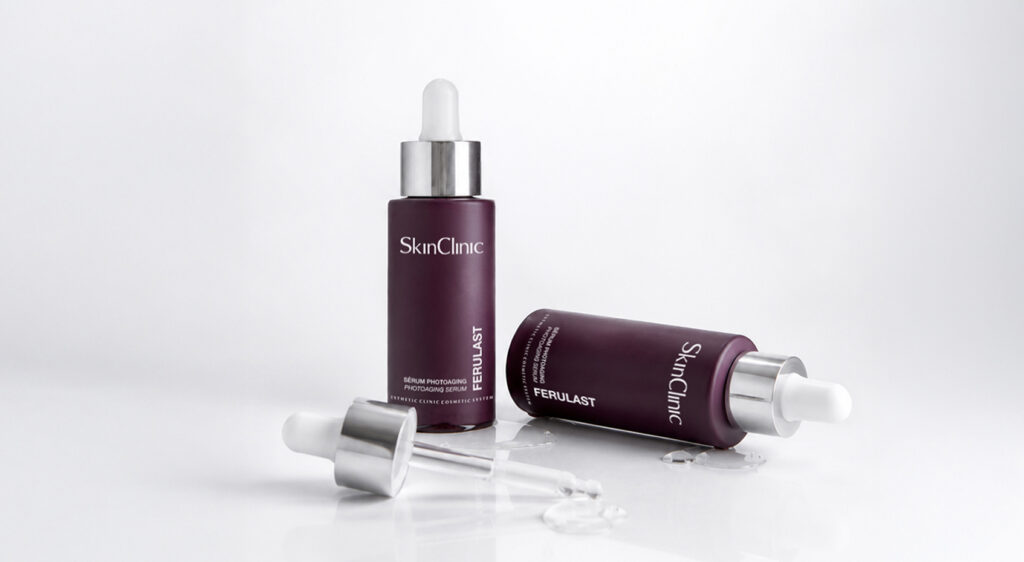
Ferulast: daily antioxidant protection
Ferulast is formulated with Ferulic Acid, a powerful antioxidant that helps neutralize free radicals generated by UV radiation and other environmental factors.
In addition to helping protect against photoaging, Ferulic Acid enhances the stability and performance of other antioxidants, helping preserve the skin’s firmness, radiance, and overall quality. Daily use is especially recommended for skin frequently exposed to sunlight, pollution, and other forms of environmental stress.
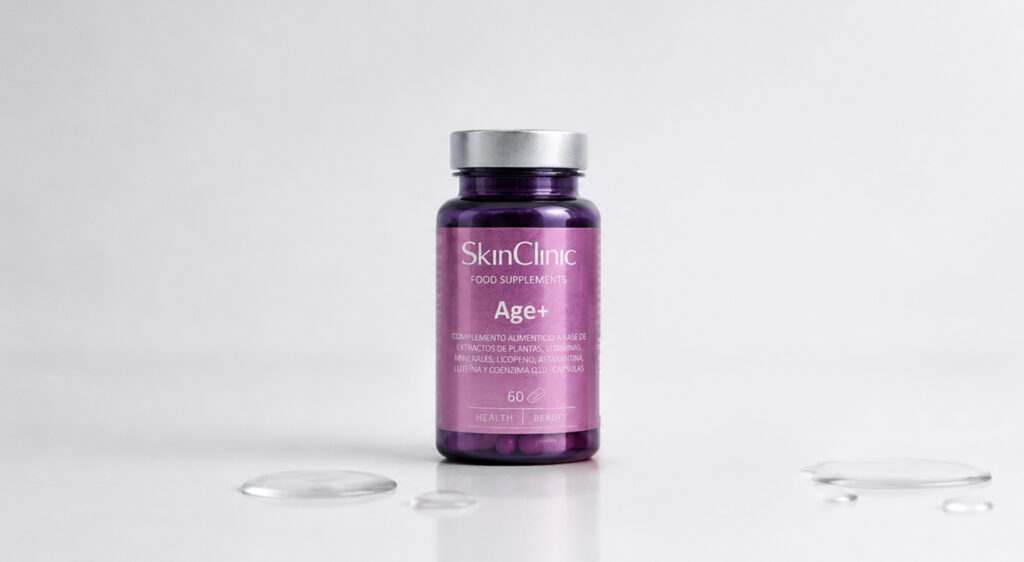
AGE+: antioxidant support from within
Antioxidant protection can also be reinforced from the inside. AGE+ is a food supplement formulated to help combat the oxidative damage associated with cellular aging.
Its combination of antioxidant ingredients helps protect cells against oxidative stress while complementing your daily skincare routine, providing a comprehensive approach to preserving the health, quality, and appearance of the skin.
Now that you understand how free radicals contribute to skin aging, taking the next step is easier. Incorporating antioxidants into your daily skincare routine, together with proper sun protection, can help defend the skin against oxidative damage while preserving its radiance, firmness, and healthy appearance.
Are you ready to protect your skin from oxidative stress?

