
Tu carrito
No hay más productos en tu carrito

Niacinamide: benefits for the skin and how to use it correctly
This post is also available in:
In skincare, few ingredients achieve something truly complex: addressing multiple skin concerns at once without compromising tolerance. Redness, excess sebum, uneven texture, or dehydration are often treated with separate products, which can ultimately overload the skin.
In this context, niacinamide has become a key ingredient in dermocosmetics, capable of balancing the skin from within and improving its response to multiple external factors. But what makes it different, and why is it included in so many formulations today?
What is niacinamide?
Niacinamide is an active form of vitamin B3 that plays a role in essential cellular processes. At the skin level, it acts as a precursor to coenzymes such as NAD+ and NADP+, which are involved in cellular repair and protection against oxidative damage.
It is one of the most complete ingredients in modern dermocosmetics. Its value does not lie in a single function, but in its ability to improve the overall balance of the skin by acting on the skin barrier, inflammation, sebum production, and tone uniformity.
Unlike more targeted actives, niacinamide stands out for delivering visible results with excellent tolerance, making it suitable for almost any skincare routine.
How does niacinamide work on the skin?
At the cutaneous level, niacinamide is involved in essential cellular processes related to repair and energy metabolism. This activity translates into visible effects across different skin mechanisms:
|
1. Strengthens the skin barrier Stimulates the synthesis of ceramides and epidermal lipids, reducing water loss and improving skin resilience. |
2. Reduces redness and inflammation Its anti-inflammatory action helps reduce erythema and improve comfort in sensitive or reactive skin. |
|
3. Regulates excess sebum Acts on sebaceous activity, helping to balance combination and oily skin without altering the skin barrier. |
4. Improves texture and pore appearance Normalizes keratinization and sebum production, promoting more even skin and less visible pores. |
|
5. Evens out skin tone Interferes with melanin transfer, helping to improve mild dark spots and uneven tone progressively. |
6. Strengthens defense against external damage Helps the skin respond better to oxidative stress and environmental aggressors. |
Who is niacinamide suitable for?
Niacinamide is particularly beneficial for combination, oily, or acne-prone skin, thanks to its ability to regulate sebum. However, it is also highly suitable for skin with redness, sensitivity, or uneven tone.
This versatility is one of its greatest strengths: it allows for effective routines without the need to rely on more aggressive actives from the start. In this sense, it is an excellent option when seeking balance, comfort, and progressive improvement in overall skin quality.
How to use niacinamide correctly
To achieve real results, proper integration into your routine is essential:
- Apply after cleansing, before moisturizer.
- Use morning and/or evening.
- Opt for concentrations between 2% and 10%
Niacinamide is also highly compatible with other actives such as retinoids, exfoliating acids, and vitamin C, and can even help improve their tolerance.
SkinClinic products with niacinamide
Once its benefits and proper use are understood, it is important to choose products that incorporate niacinamide effectively within the formula. At SkinClinic, this active is included in different solutions designed to balance the skin and progressively improve its quality.
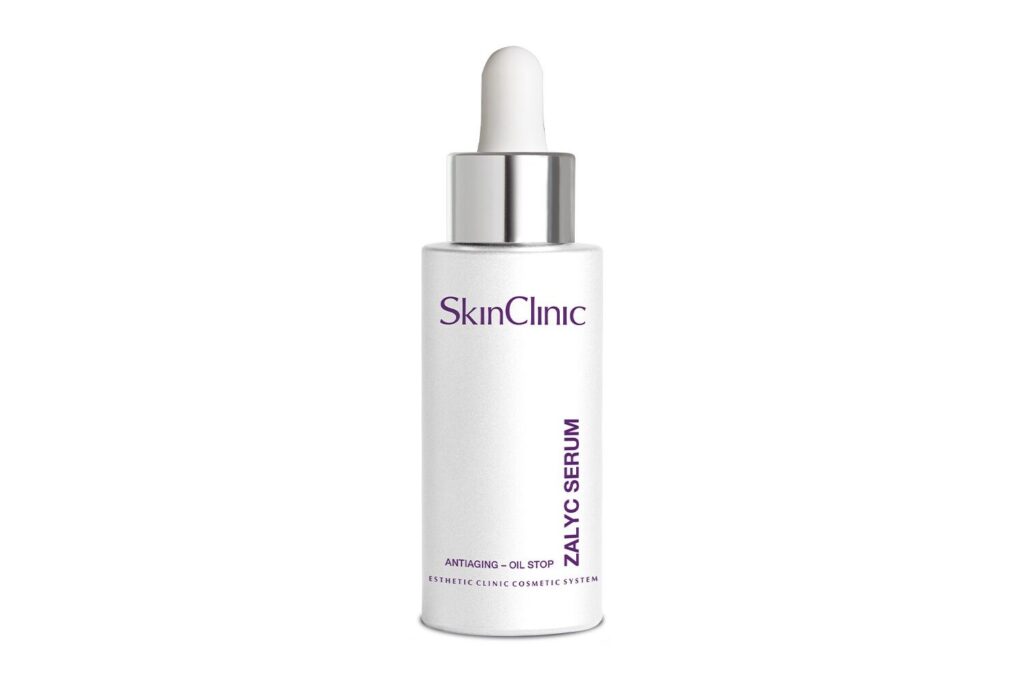
Zalyc Serum
A serum designed for combination, oily, or blemish-prone skin, where niacinamide acts as a key regulating ingredient.
- Main action: sebum regulation and texture improvement.
- Benefit: helps reduce shine, refine pores, and improve skin uniformity.
- Added value: combined with other actives that enhance its balancing and anti-aging effects.
→ Recommended when seeking sebum control without compromising the skin barrier.
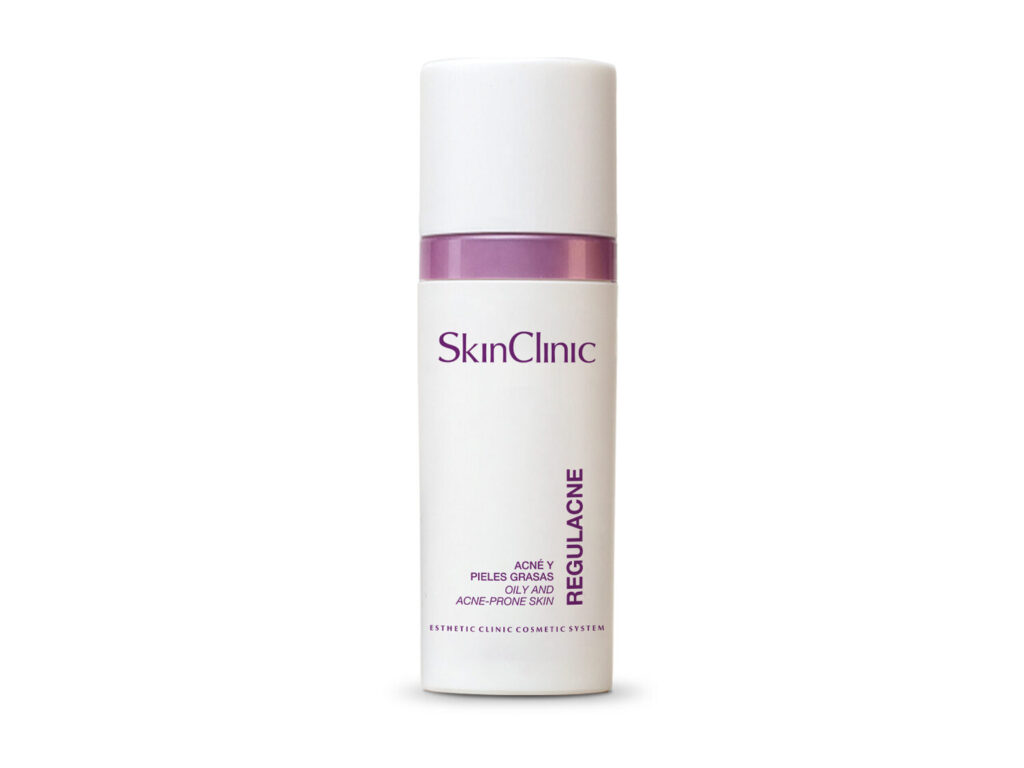
Regulacne
A night cream formulated for active acne or acne-prone skin, where niacinamide provides anti-inflammatory and regulating action.
- Main action: blemish control and inflammation reduction.
- Benefit: improves skin appearance without causing additional irritation.
- Added value: synergy with actives specifically designed for acne-prone skin.
→ Suitable for routines requiring effective treatment without aggressiveness.
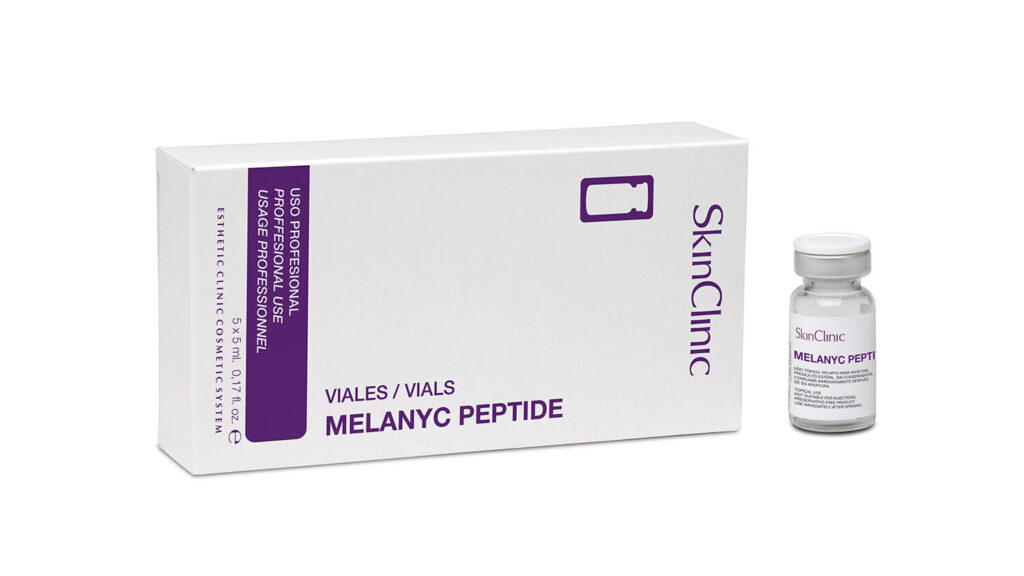
Vial Melanyc Peptide
A cosmetic depigmenting vial combining niacinamide, vitamin C, and arbutin, designed to improve dark spots and uneven tone.
- Main action: tone correction and hyperpigmentation improvement.
- Benefit: helps brighten the skin progressively.
- Added value: enhances depigmenting treatments without compromising tolerance.
→ Recommended for skin with dark spots or uneven tone.
Frequently asked questions about niacinamide
|
Can it be used every day? Yes, even twice a day. |
Is it suitable for sensitive skin? Yes, it is one of the best-tolerated actives. |
|
Does it help with acne? Yes, especially in mild acne. |
Does it remove dark spots? It helps improve skin tone progressively. |
|
Can it be combined with vitamin C? Yes, without any issue in modern formulations. |

